
The ALS has worked with other Aboriginal Community-Controlled Organisations (ACCOs), non-government organisations, systems-impacted young people and government partners to develop an approach that directs children away from police stations, courts and youth prisons, and back into their communities, families and culture.
We developed the Therapeutic Pathways for Children report in partnership with the NSW Department of Communities and Justice (DCJ). This is one of the first NSW Closing the Gap projects where ACCOs and systems-impacted Aboriginal young people have had a seat at the table in designing justice policies that affect our people.
Our plan is about providing children with access to therapeutic pathways as an alternative to criminalisation. This means ensuring they can access trauma-informed and culturally safe pathways that meet their needs so that they are less likely to come into contact with the criminal justice system.

The facts about children in the justice system
Most children trapped in the justice system are facing systemic challenges including racism, poverty, intergenerational trauma and unstable housing. Many of these children also live with disability and face barriers to accessing culturally appropriate diagnosis, treatment and support. They’ve been let down by the same decision-makers and systems meant to protect them. Our justice system was built to punish, but these children need care and support.
In particular, Aboriginal children are severely over-policed and impacted by structural discrimination. Every day, they are over-represented in police stations, courts and youth prisons.
The evidence is clear: locking up kids makes it more likely they will be caught in the cycle of offending and incarceration as adults – causing more trauma and crime in the future. But we know a better way.
Our plan for therapeutic pathways
Our plan for establishing therapeutic pathways in NSW includes four priority areas. These are:
- Ensuring children and young people are involved in making decisions that impact them.
- Strengthening options to divert children away from the justice system and towards support in the community.
- Prioritising a service system that supports children’s wellbeing, instead of a criminal justice system response.
- Ensuring the government works with ACCOs in genuine partnership, providing them with meaningful funding to implement solutions.
The report makes several recommendations to the NSW Government to put these priorities into action.
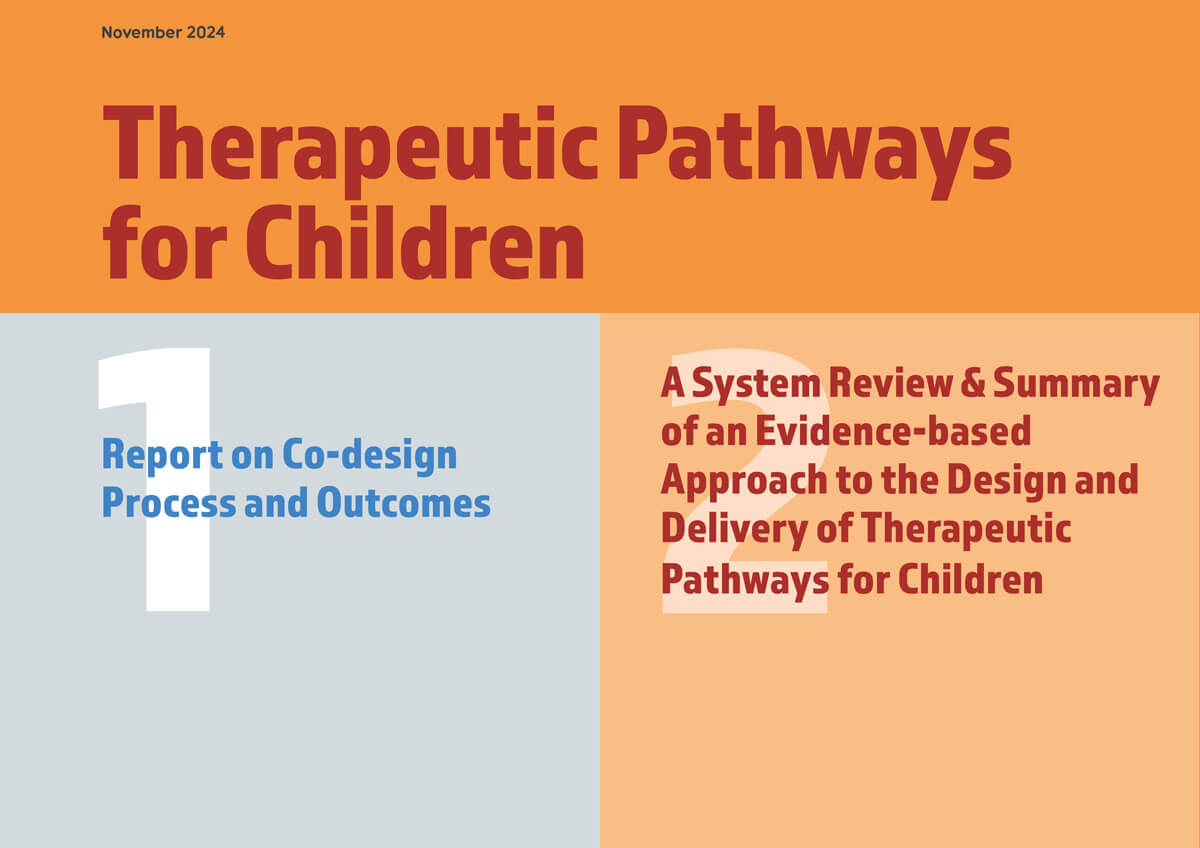
Find more details in the summary or full report.
What's next
Under the NSW Closing the Gap Implementation Plan 2025-28, the NSW Government has allocated $13.8 million over three years for the ALS and DCJ to implement two of the solutions in the report:
- Designing and delivering a community-led pilot program to divert children away from the system; and
- Establishing a way for Aboriginal young people to participate in designing and delivering policies and programs that affect them – led by young people themselves as well as ACCOs.
The ALS and DCJ will partner to implement these initiatives in consultation with Aboriginal communities and organisations across NSW.
The ALS will continue to work with NSW CAPO and DCJ to identify opportunities to resource and implement further initiatives and actions from the report.
Acknowledgement
Thank you to the expert research team at the University of NSW, led by Kalkutungu and South Sea Islander researcher, Peta MacGillivray; youth ambassadors from Mounty Aboriginal Youth and Community Services; representatives from several ACCOs, NGOs; and senior government representatives from DCJ and a number of other agencies for their important contributions to this project.


